The Best Dumbbell Exercises For Building Strength At Home

Related products


You don't need a full gym to build strength, muscle and confidence.
With a good pair of adjustable dumbbells, you can train your chest, back, shoulders, arms, legs and core from home with very little space.
This guide covers the best dumbbell-only exercises, how to perform them properly, which muscles they work, and how to build them into a simple home workout plan.
Whether you are new to training or looking to make your home gym more effective, these movements will give you a solid foundation.
Why Train With Dumbbells?
Dumbbells are one of the most versatile pieces of home gym equipment you can own. Unlike machines, dumbbells allow each side of your body to work independently, which can help improve balance, control and strength.
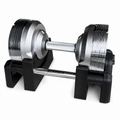
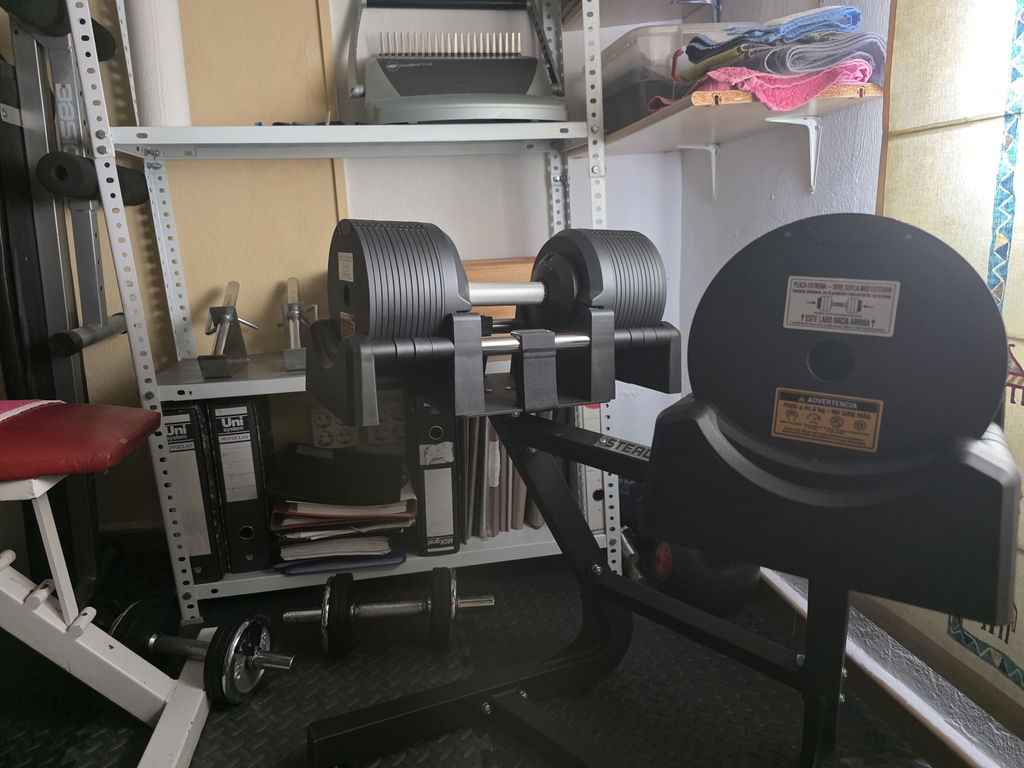
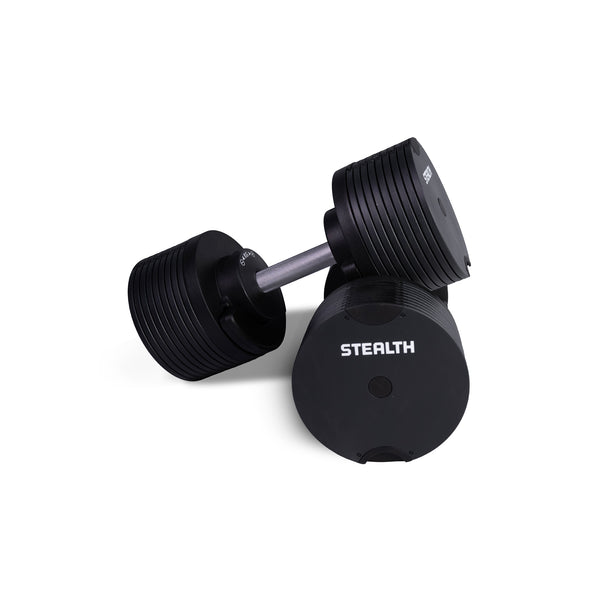
Stealth Adjustable Dumbbells are ideal for home workouts because they are compact, easy to store and suitable for almost every major movement pattern.
For example, you may need heavier weights for squats and rows, but lighter weights for lateral raises or curls.
Dumbbell Exercises By Muscle Group
Best Dumbbell Chest Exercise
1. Dumbbell Press
The dumbbell floor press is one of the best chest exercises you can do without a bench. It works your chest, shoulders and triceps while limiting shoulder strain because your elbows stop at the floor.
How to do it:
Lie on your back with a dumbbell in each hand. Bend your knees and keep your feet flat on the floor. Start with your upper arms resting lightly on the floor and your elbows at around 45 degrees from your body.
Press the dumbbells up until your arms are straight, but do not lock your elbows aggressively. Lower the dumbbells under control until your upper arms touch the floor again.
Muscles worked:
Chest, triceps, front shoulders.
Trainer tip:
Keep your wrists stacked over your elbows and avoid letting the dumbbells drift too far towards your face.
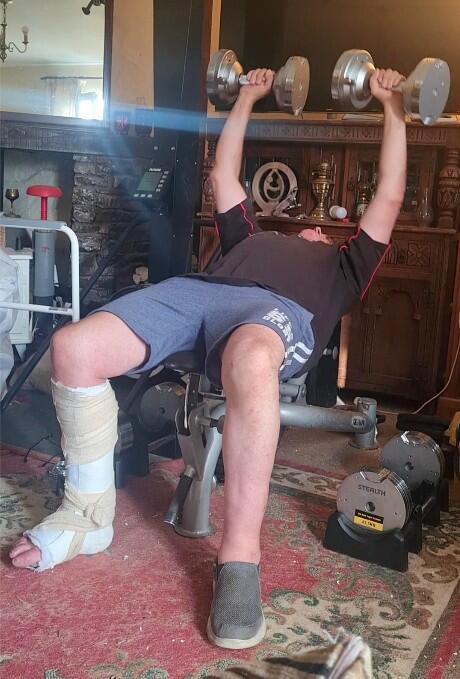
A bench will give you a wider range of movement and make it much more comfortable to execute a dumbbell press.
2. Flat Dumbbell FLIES
Flat dumbbell flies target the middle of the chest, pumping the Pectoralis Major. It works well as a companion exercise after pressing.
How to do it:
Lie on a flat bench with a dumbbell in each hand. Start with the dumbbells above your chest, palms facing each other.
Keep a slight bend in your elbows. Your arms should not be locked straight.
Slowly lower the dumbbells out to the sides in a wide arc. Keep your chest lifted and your shoulder blades pulled back into the bench.
Lower until you feel a comfortable stretch across your chest. Then squeeze your chest to bring the dumbbells back together above you.
Muscles worked:
Chest, front shoulders, biceps as stabilisers.
Trainer tip:
Imagine you are wrapping your arms around a big barrel. This helps keep the movement smooth and stops it turning into a press.
Dumbbell Back Exercise
3. One-Arm Dumbbell Row
The one-arm dumbbell row is one of the best exercises for building your back with dumbbells.
How to do it:
Place one hand on a stable surface, such as a bench, chair or box. Hold a dumbbell in the opposite hand. Keep your back flat and your chest angled towards the floor.
Pull the dumbbell towards your hip, squeezing your shoulder blade back at the top. Lower the dumbbell under control.
Muscles worked:
Lats, upper back, rear shoulders, biceps.
Trainer tip:
Think about pulling with your elbow, not your hand. This helps you use your back instead of turning it into a curl.
It’s vital that you make sure your spine is straight, as with any row.
4. Dumbbell Bent-Over Row
The bent-over row trains both sides of the back at the same time and is ideal for building overall pulling strength.
How to do it:
Stand with your feet hip-width apart and hold a dumbbell in each hand. Hinge at your hips until your torso is angled forward. Keep your back flat and your core braced.
Pull both dumbbells towards your lower ribs, then lower them slowly.
Muscles worked:
Back, rear shoulders, biceps, core.
Trainer tip:
Do not round your lower back. If you cannot hold a strong position, reduce the weight.
5. Dumbbell Reverse Fly
The reverse fly targets the upper back and rear shoulders, helping improve posture and shoulder balance.
How to do it:
Hold a light dumbbell in each hand. Hinge forward at the hips with a slight bend in your knees. Let the dumbbells hang below your chest.
Raise both arms out to the sides until they are roughly in line with your shoulders. Lower slowly.
Muscles worked:
Rear shoulders, upper back, traps.
Trainer tip:
Use lighter weights than you think. This exercise is about control, not swinging heavy dumbbells.
Dumbbell Shoulder Exercises
6. Dumbbell Shoulder Press
The dumbbell shoulder press is a key exercise for building stronger shoulders and upper body pressing strength.
How to do it:
Stand or sit with a dumbbell in each hand at shoulder height. Brace your core and press the dumbbells overhead until your arms are straight.
Lower them back to shoulder height under control.
Muscles worked:
Shoulders, triceps, upper chest.
Trainer tip:
Avoid leaning back as you press. Keep your ribs down and your core tight.
7. Dumbbell Lateral Raise
The lateral raise targets the side delts, helping build wider-looking shoulders.
How to do it:
Stand tall with a dumbbell in each hand by your sides. With a slight bend in your elbows, raise the dumbbells out to the sides until they reach shoulder height.
Lower them slowly.
Muscles worked:
Side shoulders.
Trainer tip:
Keep the movement smooth. If you need to swing your body, the dumbbells are too heavy.
8. Dumbbell Front Raise
The front raise works the front of the shoulders and can be useful for building shoulder control.
How to do it:
Hold a dumbbell in each hand in front of your thighs. Raise one or both dumbbells forwards until they reach shoulder height, then lower under control.
Muscles worked:
Front shoulders, upper chest.
Trainer tip:
Do not shrug your shoulders up towards your ears. Keep your neck relaxed.
Dumbbell Bicep Exercises
9. Dumbbell Bicep Curl
The dumbbell curl is a classic arm exercise for building the biceps.
How to do it:
Stand tall with a dumbbell in each hand and your palms facing forward. Keep your elbows close to your sides.
Curl the dumbbells up towards your shoulders, squeeze at the top, then lower slowly.
Muscles worked:
Biceps, forearms.
Trainer tip:
Do not swing the weights. Keep your elbows still.
10. Dumbbell Hammer Curl
Hammer curls train the biceps and forearms, making them a great option for building stronger arms and grip.
How to do it:
Hold the dumbbells with your palms facing each other. Curl the weights up while keeping your wrists neutral.
Lower slowly and repeat.
Muscles worked:
Biceps, brachialis, forearms.
Trainer tip:
Hammer curls are usually stronger than standard curls, so you may be able to use slightly heavier dumbbells.
Dumbbell Tricep Exercises
11. Dumbbell Overhead Tricep Extension
This exercise targets the triceps, especially the long head of the muscle.
How to do it:
Hold one dumbbell with both hands above your head. Keep your elbows pointing forwards and close to your head.
Lower the dumbbell behind your head, then extend your arms to lift it back up.
Muscles worked:
Triceps.
Trainer tip:
Keep your elbows controlled. Do not let them flare too far out to the sides.
Dumbbell Leg Exercises
12. Dumbbell Goblet Squat
The goblet squat is one of the best dumbbell leg exercises for beginners and experienced lifters alike.
How to do it:
Hold one dumbbell vertically against your chest. Stand with your feet around shoulder-width apart.
Sit your hips down and back, keeping your chest tall. Lower until your thighs are at least parallel to the floor if comfortable, then drive through your feet to stand.
Muscles worked:
Quads, glutes, hamstrings, core.
Trainer tip:
Keep your knees tracking in the same direction as your toes.
13. Dumbbell Romanian Deadlift
The Romanian deadlift is excellent for building the hamstrings, glutes and lower back.
How to do it:
Hold a dumbbell in each hand in front of your thighs. Keep a slight bend in your knees.
Push your hips back as the dumbbells travel down the front of your legs. Keep your back flat. Stop when you feel a stretch in your hamstrings, then drive your hips forward to stand tall.
Muscles worked:
Hamstrings, glutes, lower back, core.
Trainer tip:
This is a hip hinge, not a squat. Your hips should move backwards, not straight down. Keep your spine straight and make sure not to bend the lower back.
14. Dumbbell Split Squat
Split squats are brilliant for building single-leg strength and improving balance.
How to do it:
Stand in a staggered stance with one foot forward and one foot back or balanced on a bench. Hold a dumbbell in each hand by your sides.
Lower your back knee towards the floor, then push through your front foot to stand back up.
Muscles worked:
Quads, glutes, hamstrings, core.
Trainer tip:
Keep most of your weight through the front leg. The back leg is there for support.
15. Dumbbell Reverse Lunge
Reverse lunges are a joint-friendly way to train the legs and glutes.
How to do it:
Hold a dumbbell in each hand. Step one foot backwards and lower into a lunge. Push through the front foot to return to standing.
Alternate legs or complete all reps on one side before switching.
Muscles worked:
Quads, glutes, hamstrings, calves.
Trainer tip:
Step back far enough that your front heel stays planted.
16. Dumbbell Calf Raise
Calf raises are simple but effective for strengthening the lower legs.
How to do it:
Hold a dumbbell in each hand. Stand tall and lift your heels off the floor as high as possible. Pause briefly at the top, then lower slowly.
Muscles worked:
Calves.
Trainer tip:
Use a slow tempo and full range of motion. Do not bounce.
Dumbbell Core Exercises
17. Dumbbell Russian Twist
This exercise targets the obliques and rotational core strength.
How to do it:
Sit on the floor holding one dumbbell with both hands. Lean back slightly and keep your chest lifted.
Rotate the dumbbell from side to side while keeping your core braced.
Muscles worked:
Obliques, abs, hip flexors.
Trainer tip:
Move with control. Do not just swing the dumbbell from side to side.
18. Dumbbell Dead Bug
The dumbbell dead bug is a controlled core exercise that helps build stability.
How to do it:
Lie on your back holding a light dumbbell above your chest. Lift your legs so your knees are bent at 90 degrees.
Slowly lower one leg towards the floor while keeping your lower back pressed down. Return to the start and switch sides.
Muscles worked:
Abs, deep core, hip flexors.
Trainer tip:
Your lower back should not arch off the floor.
19. Dumbbell Plank Pull-Through
This is a challenging core exercise that trains anti-rotation strength.
How to do it:
Start in a high plank position with a dumbbell outside one hand. Reach across with the opposite hand and pull the dumbbell across your body.
Repeat from side to side.
Muscles worked:
Core, shoulders, chest, obliques.
Trainer tip:
Keep your hips square to the floor. The slower you move, the harder it becomes.
Full-Body Dumbbell Exercises
22. Dumbbell Clean
The dumbbell clean is a powerful movement that trains coordination, strength and explosive hip drive.
How to do it:
Start with the dumbbells by your sides or just in front of your thighs. Hinge slightly at the hips, then drive through your legs and pull the dumbbells up to shoulder height.
Catch them in a strong position with your core braced.
Muscles worked:
Glutes, hamstrings, upper back, shoulders, arms, core.
Trainer tip:
The power should come from your hips, not just your arms.
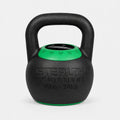
This is also a good exercise for the Stealth Adjustable Kettlebell
23. Dumbbell Farmer’s Carry
The farmer’s carry is one of the simplest and most effective exercises for grip, core and full-body strength.
How to do it:
Hold a heavy dumbbell in each hand. Stand tall, brace your core and walk for a set distance or time.
Muscles worked:
Grip, traps, core, shoulders, legs.
Trainer tip:
Do not let the dumbbells pull your shoulders forward. Walk tall and controlled.
Beginner Dumbbell Workout
This simple dumbbells-only workout is ideal if you are just getting started.
Complete 2 to 3 rounds.
Rest for 60 to 90 seconds between exercises if needed.
Intermediate Dumbbell Workout
Complete 3 to 4 rounds.
Rest for 60 to 90 seconds between rounds.
Advanced Dumbbell Workout
Complete 4 to 5 rounds.
Rest for 90 seconds between rounds.
How Heavy Should Your Dumbbells Be?
The right dumbbell weight depends on the exercise and your experience level.
As a general guide:
A good rule is to choose a weight that allows you to complete your reps with good form, while still feeling challenging for the final 2 to 3 reps.
If your form breaks down, the weight is too heavy. If you can easily do far more reps than planned, the weight is probably too light.
How To Progress With Dumbbell Training
To keep building muscle and strength, your workouts need to gradually become more challenging over time. This is called progressive overload.
You can progress by:
- Increasing the dumbbell weight
- Adding more reps
- Adding more sets
- Slowing down the lowering phase
- Reducing rest time
- Improving your range of motion
- Using harder exercise variations
You do not need to change every workout at once. Small improvements over time are what matter.
For example, if you can currently do 3 sets of 10 goblet squats, aim for 3 sets of 12. Once that feels comfortable, increase the weight and return to 3 sets of 8 to 10.
Common Dumbbell Training Mistakes
Going Too Heavy Too Soon
Heavy weights are useful, but only when you can control them properly. Poor form increases the risk of injury and often means the target muscle is not doing the work.
Start with a weight you can control, then build gradually.
Rushing The Reps
Fast, sloppy reps are not as effective as controlled reps. Slow down the lowering phase and focus on tension through the muscle.
Ignoring Legs And Back
Many people focus on chest, shoulders and arms, but a strong body needs balance. Include squats, lunges, rows and Romanian deadlifts in your weekly training.
Not Training Close Enough To Failure
You do not need to completely exhaust yourself every set, but your working sets should feel challenging. If you finish a set and feel like you could have done another 10 reps, the weight is likely too light.
Doing The Same Workout Forever
Your body adapts. To keep progressing, increase the challenge over time through heavier weights, more reps, more sets or better control.
Can You Build Muscle With Dumbbells Only?
Yes, you can build muscle with dumbbells only, especially if you train consistently and use progressive overload.
Dumbbells allow you to perform all the key movement patterns needed for muscle growth:
- Squat
- Hinge
- Push
- Pull
- Carry
- Rotate
- Brace
The most important factors are choosing the right exercises, using enough resistance, training consistently and eating enough protein to support recovery.
For most people training at home, adjustable dumbbells are one of the most efficient ways to build a strong and practical setup without needing a full gym.
Dumbbells are simple, compact and extremely effective. With the right exercises, you can train your full body from home without needing a room full of equipment.
Start with the basics: squats, presses, rows, hinges, lunges and core work. Focus on good form, controlled reps and steady progression.
Over time, your strength, confidence and fitness will build.
A pair of adjustable dumbbells can take you a long way, especially when you train with structure and consistency.