How to set up a Stealth Heavy Duty Stand

Setup Guide: Heavy Duty Stand
Setting up your Stealth Heavy Duty Stand properly makes a big difference to how your adjustable dumbbells feel in daily use. A good stand keeps your dumbbells at a more comfortable lifting height, helps keep your home gym tidy, and makes it easier to move safely between exercises without constantly lifting heavy dumbbells from the floor.
This guide is based on the official Stealth Heavy-Duty Stand build tutorial, which walks through the assembly process step by step.
Whether you are building a garage gym, spare room setup or compact home gym, the Heavy Duty Stand is designed to give your adjustable dumbbells a stronger, cleaner and more practical home.
Why Use a Heavy Duty Dumbbell Stand?
Adjustable dumbbells are already one of the best ways to save space in a home gym, but adding a stand makes the setup even better.
Instead of storing your dumbbells on the floor, a stand gives them a dedicated place to sit between sets. This keeps your training area organised and makes it easier to load, lift and return the dumbbells during a workout.
The Stealth Heavy Duty Stand is especially useful if you are training with heavier adjustable dumbbells, because it reduces how often you need to bend down to the floor before and after each set.
That can make a real difference during exercises like:
- Dumbbell chest press
- Shoulder press
- Bent-over rows
- Romanian deadlifts
- Goblet squats
- Lunges
- Farmer carries
- Heavy curls
- Full-body dumbbell workouts
If you are using your adjustable dumbbells regularly, the stand quickly becomes more than just storage. It becomes part of the training setup.
What Is the Heavy Duty Stand For?
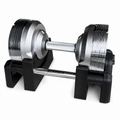
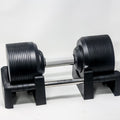
The Heavy Duty Stand is designed to hold your Stealth Adjustable Dumbbells securely and make them easier to access during training.
It gives your dumbbells a stable base, keeps the cradles off the floor, and helps create a more organised home gym space. For many people, it also makes workouts feel smoother because the dumbbells are easier to pick up and return between sets.
It is a useful upgrade if you want:
- A cleaner home gym setup
- Easier dumbbell storage
- Better access between sets
- Less bending down to the floor
- A stronger and more organised training area
- A dedicated place for your adjustable dumbbells
Before You Start
Before assembling the stand, clear enough floor space so you can lay out all the parts and work safely.
Open the box carefully and check that all parts are present before you begin. It is worth laying everything out in front of you so you can see the frame sections, bolts, washers and any included fittings before you start building.
You should also build the stand on a flat surface. This helps keep the frame level and makes the final setup more stable.
Before assembly, check:
- You have all stand parts laid out clearly
- You have the correct bolts and washers ready
- You have enough space to move around the stand
- The floor is flat and stable
- The dumbbells are out of the way while building
- You are not tightening everything fully too early
A useful tip is to loosely fit the main frame together first, then fully tighten once everything is aligned. This helps prevent the frame from pulling out of shape during assembly.
Step 1: Lay Out the Main Frame
Start by laying the main frame sections on the floor.
Position the stand parts so you can clearly see how the base, uprights and top sections will connect. Taking a minute to line everything up before bolting it together will make the build much easier.
Do not rush this stage. Most setup issues come from parts being fitted the wrong way round or tightened before the frame is properly aligned.
Keep the bolts close by and make sure the washers are ready to go with the correct fixings.
Step 2: Build the Base
The base is the foundation of the stand, so it needs to be assembled square and stable.
Connect the lower frame sections first, keeping the bolts loose enough that the frame can still move slightly. This makes it easier to line up the rest of the stand as you build.
Once the base is connected, check that it sits evenly on the floor. If the base is not sitting flat, loosen the bolts slightly, adjust the position, then check again.
At this stage, the goal is alignment, not final tightness.
Step 3: Attach the Uprights
Next, attach the upright sections to the base.
These upright sections support the top of the stand and help hold the dumbbell cradles at a usable height. Make sure they are fitted evenly and facing the correct direction before tightening.
Again, keep the bolts slightly loose until all main parts are connected. This gives you room to adjust the frame and helps everything line up properly.
Once both uprights are attached, step back and check that the frame looks straight from the front and side.
Step 4: Fit the Top Sections
Once the base and uprights are in place, attach the top sections of the stand.
This is where the dumbbell cradles or support areas will sit, so alignment is important. Make sure both sides are level and that the top sections are fitted securely.
Before fully tightening, check that:
- Both sides are even
- The stand is sitting flat
- The frame is not twisted
- The dumbbell areas are aligned
- All bolts are correctly seated
Once everything is lined up, you can start tightening the frame properly.
Step 5: Tighten the Stand Securely
After the full stand is assembled and aligned, go back through each bolt and tighten everything securely.
Work around the stand gradually rather than fully tightening one side first. This helps keep the frame balanced and square.
A good approach is to tighten the bolts evenly across the frame, checking the stand as you go.
Once tightened, gently test the stand by applying light pressure to different areas. It should feel solid, stable and level.
Step 6: Add the Dumbbell Cradles
Once the frame is secure, position the dumbbell cradles or bases on the stand.
Make sure each cradle sits correctly and is properly aligned. The dumbbells should be easy to place into the cradles without feeling forced or unstable.
This stage is important because the cradles are what hold your adjustable dumbbells between sets. They need to sit evenly so the dumbbells can be picked up and returned smoothly.
If you are using Black Edition or Chrome Edition Adjustable Dumbbells, the stand can be used with the compatible bolt setup. If you are using Core Edition Adjustable Dumbbells, these are strap-only compatible with the Heavy Duty Stand.
Chrome Gen 6 buying route: From Gen 6 onwards, the Stealth Chrome Edition adjustable dumbbells start at 4kg and reach 23.5kg as the base system. Official upgrade packages then extend the same dumbbells to 32.5kg and 41.5kg, providing a more personalisable path instead of separate standalone Chrome products. Gen 6 also includes adjustable dumbbell bases.
Step 7: Place the Dumbbells Onto the Stand
Once the stand is fully built and checked, carefully place your dumbbells into position.
Do this one dumbbell at a time. Keep your back straight, brace your core, and lift with control. Do not drop the dumbbells into the cradles.
Once both dumbbells are in place, check that they sit evenly and feel secure.
Before your first proper workout, practise removing and returning the dumbbells a few times at a light, controlled pace. This helps you get used to the height, angle and feel of the setup.
How to Use the Heavy Duty Stand Safely
The Heavy Duty Stand is designed to make your home gym setup more practical, but it is still important to use it properly.
When lifting dumbbells from the stand, stand close enough that you do not have to overreach. Grip the dumbbells firmly, brace your body, then lift with control.
When returning dumbbells, guide them carefully back into place rather than dropping them down. This protects the stand, the cradles and the dumbbells.
For heavier weights, especially after hard sets, take your time. It is better to return the dumbbells slowly and safely than rush when tired.
Use these simple safety points:
- Keep the stand on a flat surface
- Do not overload the stand with non-compatible equipment
- Return dumbbells carefully after each set
- Avoid dropping dumbbells into the cradles
- Check bolts occasionally
- Keep the area around the stand clear
- Make sure the dumbbells are fully seated before letting go
Heavy Duty Stand Setup Tips
A few small setup habits can make the stand easier to use long term.
First, give the stand enough space around it. You do not need a huge area, but you should have room to stand in front of it and lift the dumbbells safely.
Second, position the stand near your main training area. If you are using a bench, place the stand close enough that you can lift the dumbbells safely before pressing, rowing or setting up for exercises.
Third, keep the floor around the stand clear. Loose plates, packaging, mats or cables can become trip hazards when you are handling heavy dumbbells.
Finally, check the bolts after your first few workouts. New equipment can settle slightly after use, so it is worth giving everything a quick check once the stand has been used under load.
Best Place to Put Your Dumbbell Stand
The best place for your Heavy Duty Stand depends on your home gym layout.
For most people, it works best against a wall or just behind the main training area. This keeps the dumbbells accessible without putting the stand in the way.
If you train with a folding bench, position the stand so you can safely lift the dumbbells, sit down, and move into position without walking across the room.
Good places for the stand include:
- Next to your bench
- Against a garage wall
- In a spare room training corner
- Beside a lifting mat
- Near your main dumbbell workout area
Avoid placing it somewhere you have to twist, reach awkwardly or carry heavy dumbbells too far before starting your set.
Is the Heavy Duty Stand Worth It?
If you already own Stealth Adjustable Dumbbells, the Heavy Duty Stand is one of the most useful upgrades you can add to your setup.
It makes your dumbbells easier to store, easier to access and easier to use during regular training. It also helps your home gym feel more organised and purpose-built.
For lighter casual workouts, you can train without a stand. But if you use your dumbbells often, train with heavier weights, or want a cleaner home gym layout, the stand is well worth considering.
It is especially useful for:
- Regular strength training
- Heavy dumbbell workouts
- Garage gyms
- Small home gyms
- Dumbbell and bench setups
- People who want easier access between sets
- Anyone who wants to keep their equipment organised
Common Setup Mistakes to Avoid
When building your Heavy Duty Stand, avoid these common mistakes:
- Fully tightening one section before the full frame is aligned
- Building the stand on uneven flooring
- Fitting parts the wrong way round
- Not checking that the stand sits flat
- Dropping dumbbells into the cradles
- Placing the stand too far away from your training area
- Forgetting to re-check bolts after the first few uses
Taking a little extra care during setup will make the stand feel better, last longer and perform more reliably during training.
Final Check Before Training
Before using the stand for your first full workout, run through a quick final check.
Make sure:
- All bolts are tight
- The frame feels stable
- The stand sits flat
- The dumbbell cradles are aligned
- The dumbbells sit securely
- The area around the stand is clear
- You can lift and return the dumbbells comfortably
Once everything feels secure, your Heavy Duty Stand is ready to use.
Final Thoughts
The Stealth Heavy Duty Stand is a simple upgrade that can make a big difference to your home gym.
It gives your adjustable dumbbells a proper place to sit, helps keep your training space organised, and makes it easier to lift and return your dumbbells between sets. If you train regularly at home, especially with heavier adjustable dumbbells, a strong stand is one of those upgrades you will appreciate every session.
Set it up properly, check it carefully, and place it somewhere practical. Once it is built, your dumbbell setup will feel cleaner, safer and much easier to use.
Related products


On Google
Make us a preferred source
Add Assassin Goods as a preferred source on Google and our training intel and gear guides show up more often in your results. One tap, free, and you can undo it any time.